Images, historical sources, concepts, and arguments explored together. A research atlas on the allegorical body of power and the living women it represents and excludes.
Cicero, De Oratore III.221 · The face is the image of the soul
This research does not trace a linear arrow from living body to petrified stone. It asks which bodies the State renders available, summons, refuses, or holds in coexistence across each function, public, and medium. The three dossiers below show the same allegorical body performing incompatible political work, with the order of dates refuting any evolutionary progression.
I
Columbia, United States
1899 · 1913 · 1917
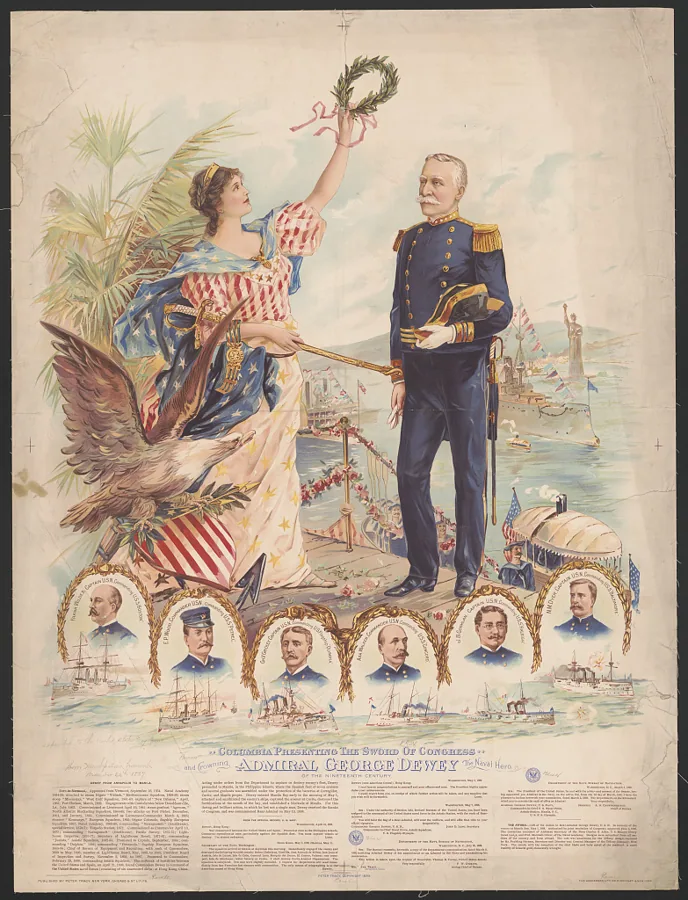
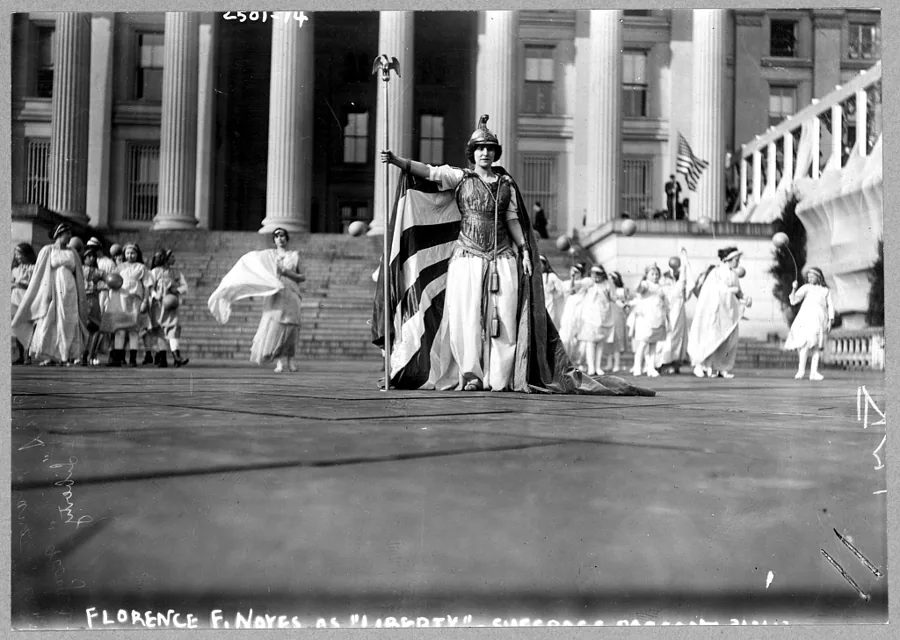
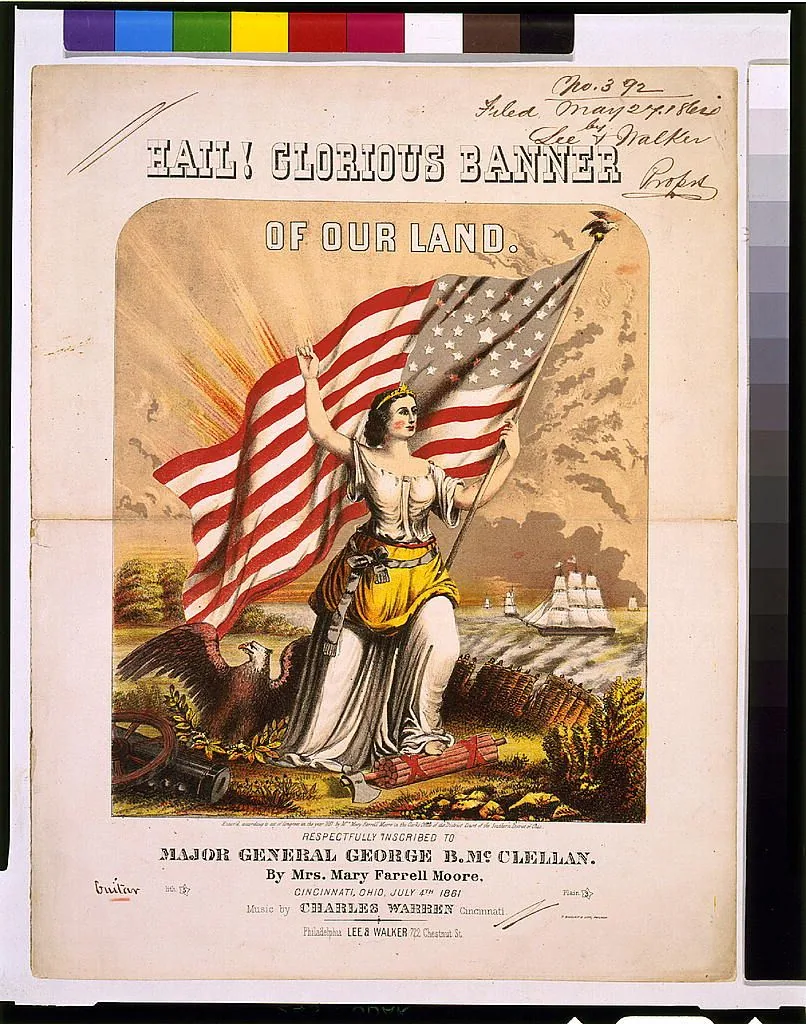
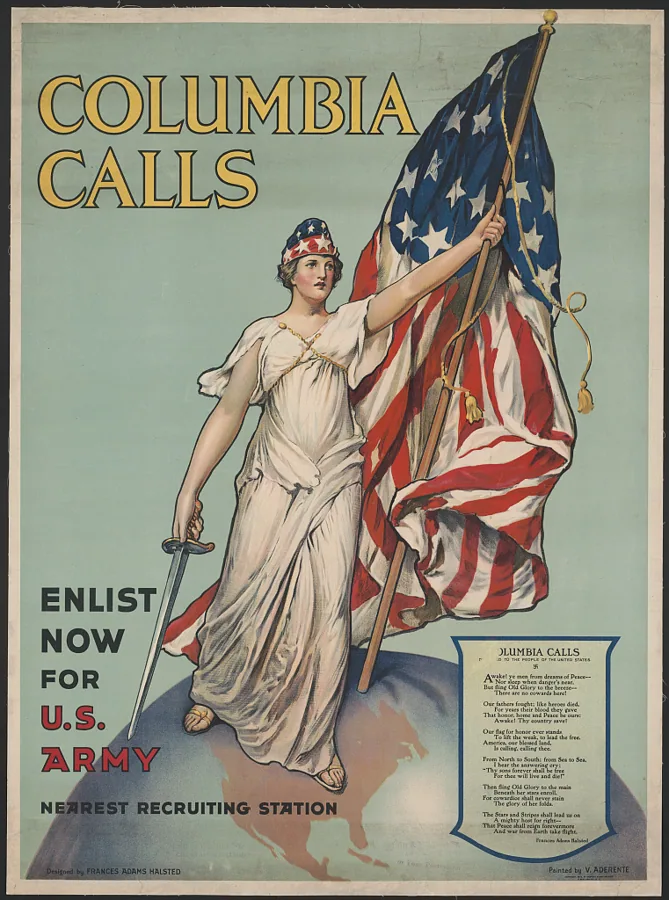
Columbia hands a sword to an admiral in 1899. Fourteen years later, an actress embodies her in a suffrage pageant to claim the citizenship the figure already represented. Four years after that, she summons army enlistment. The sword comes before the claim and returns after it.
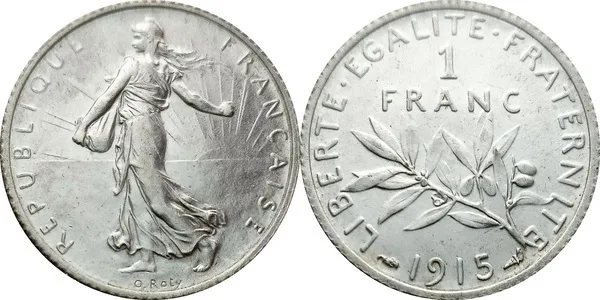
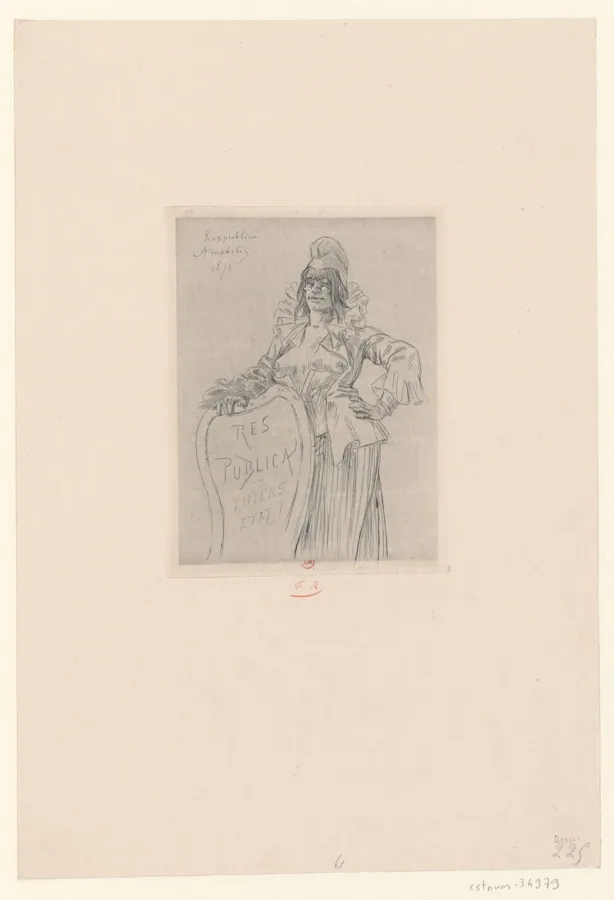
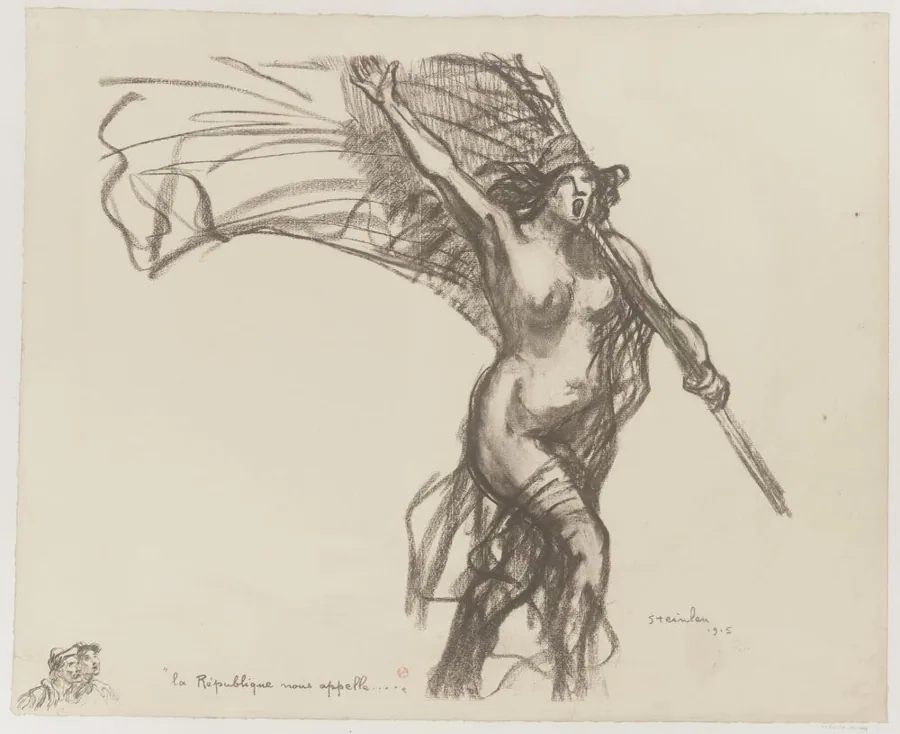
Rops draws the Republic as a satirical, desirable body in the year of the Commune. Steinlen, in 1915, turns the same emblem into a call to arms. Between the two there is no maturation: there is a shift in state function.
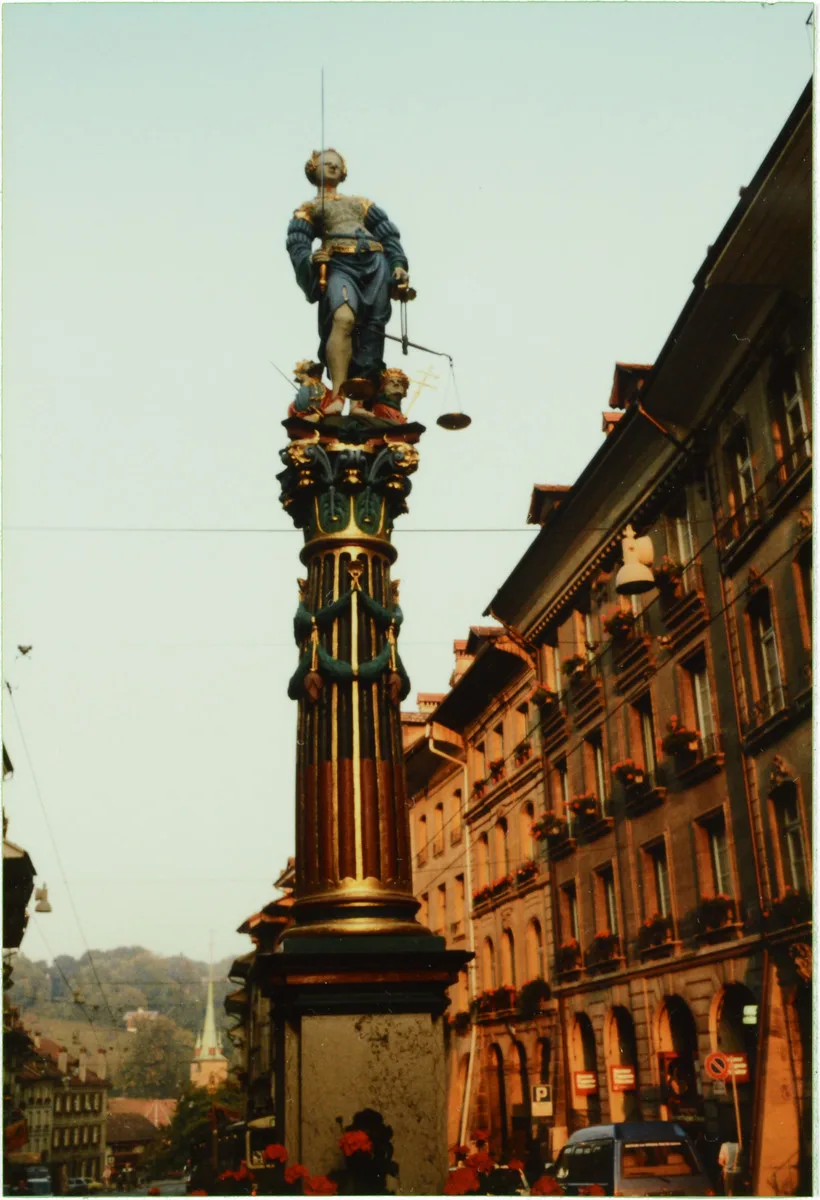
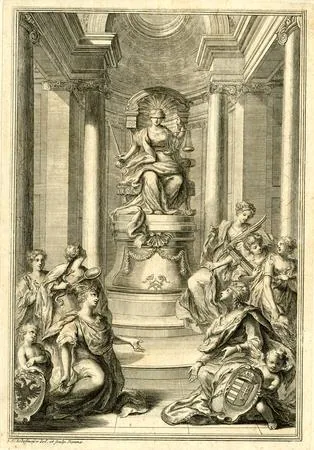
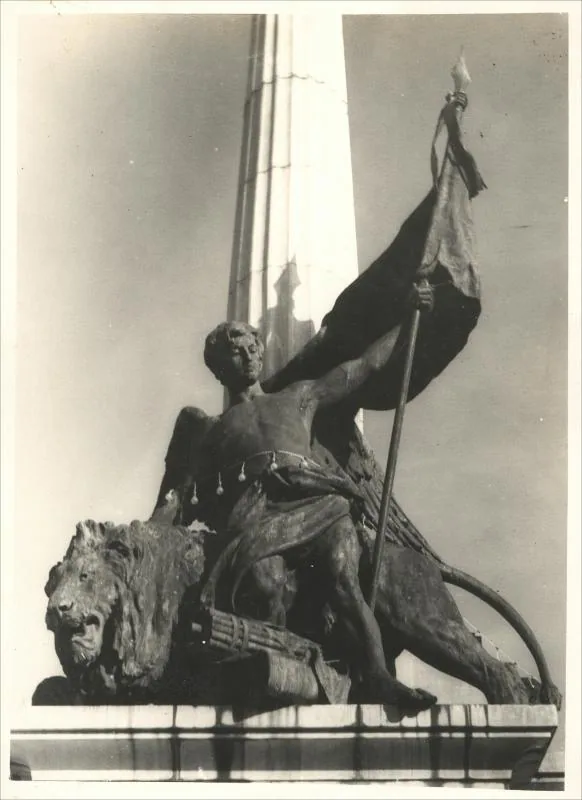
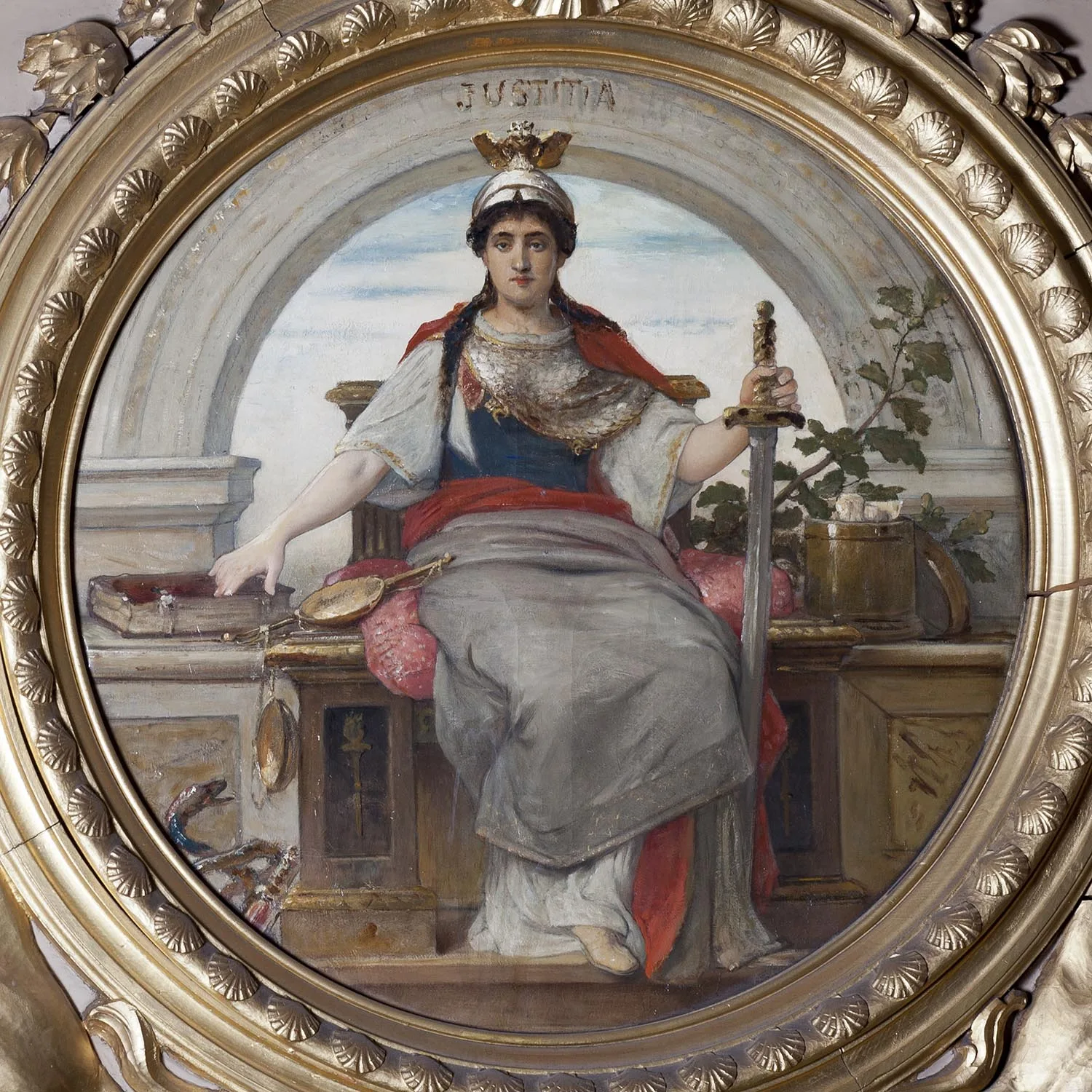
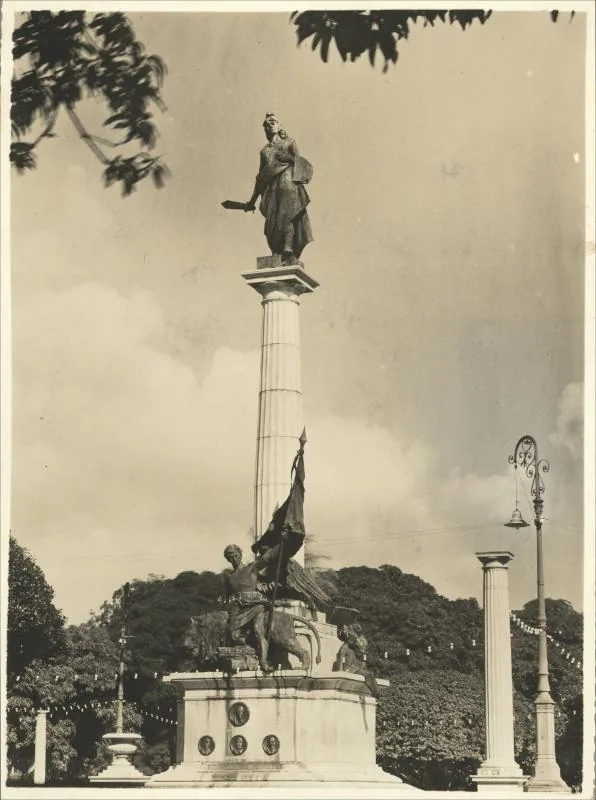
Villares paints the positivist Republic in a Phrygian cap. By 1940 she is already column and monument at Praça da República in Belém. In 1961 Ceschiatti seats blindfolded Justice before the Supreme Court. Three bodies, three functions of State: none replacing the one before.
An open, curated research atlas designed to continue growing beyond the dissertation. The numbers above are read live from the published dataset: the first four reflect the transnational comparative atlas, while the fifth isolates the inaugural doctoral strand: Mármore à Margem (Brazil, 1822–1922).
Atlas & Doctoral Strand
Mnemosyne Viva & Mármore à Margem
In marble she reigns, in law she is silent
«In marble she reigns, in law she is silent. Legal history does not merely obey norms: it inscribes them in images, monuments, and emblems of sovereignty.»
Mnemosyne Viva (hosted at iconocracia.com) is a long-term research project and visual atlas where images, historical sources, concepts, and arguments are explored together. Across every record, the site strictly distinguishes documented objects and archival provenance from authorial interpretations, connecting them through thematic constellations, essays, and interactive experiments.
Within this wider transnational horizon, the doctoral dissertation developed by Ana Vanzin ↗ at PPGD/UFSC, titled Mármore à Margem: Female Allegories in Brazil (1822–1922) and framed by Iconocracia, constitutes a clearly defined strand. From Independence to the Republican Centenary, it investigates why a legal order that excluded living women from civil capacity and suffrage chose the female body to personify the Empire, the Republic, Justice, and the Nation.
The analysis does not ask which stage of an evolutionary path an image occupies. It asks what operation the image performs: when a female body becomes summonable for a function of State, when the expected body is bypassed or effaced, and when contradictory bodies serve the same State in the same period.
The four regimes (Foundational, Normative, Military, and Counter-allegory) classify each item as an analytical lens, never as stages of a linear progression. Time is evidence of shifting repertoires, not an evolutionary arrow.
Entrieswhen the female body becomes summonable for a function of State
Refusalswhen the expected body is bypassed, destroyed, or hollowed out: a pattern under survey, without a closed typology of mechanisms
Coexistenceswhen incompatible bodies serve the same State, in the same medium, during the same period
Theoretical framework
The concepts and their intersection
Four concepts, and the way they intersect. The originality of the research lies in this intersection, not in the novelty of the terms taken in isolation.
IConcept
Visual Sexual Contract
The visual extension of the sexual contract. The female allegorical image naturalizes, in the aesthetic register, a pact of exclusion that political theory describes outside the image: woman is represented as an emblem precisely to displace her historical body.
IIConcept
State Femininity
The State represents itself in the feminine (as Republic, Justice, or Nation) while institutionally organizing the subordination of women: an emblematic femininity that operates as the facade of legal order.
IIIConcept
Visual Racial Contract
The constitutive whiteness of the supposedly «universal» allegory: the neutral figure of the State is racially marked, and its neoclassical models circulate through transatlantic transfer. Where the Visual Sexual Contract exposes the gender of the pact, this concept exposes its race: the coloniality of seeing inscribed in the supposedly universal form.
IVConcept
Classical Purification
The formal operation through which the iconocratic regime extracts historical density (biography, materiality, subjectivity) from the feminine figure and fixes it onto an eternal allegorical surface functional to sovereignty. Observable in postural rigidity, the erasure of gesture, and facial standardization, it makes the other three concepts comparable across the archive.
VIntersection
Where the concepts intersect
The Visual Sexual Contract describes the political economy of the regime: the feminine is summoned as image so that living women remain excluded. State Femininity describes the subjective effect of this economy on the allegorical body. The Visual Racial Contract describes the unequal racial distribution of the same operation. Classical Purification is the formal mechanism that renders all three effects measurable and comparable across the archive.
Open research
The data and the code are public
Metadata is licensed under CC-BY-4.0, with provenance and a direct link to the holding archive for every item. The site code, data schema, and automated archive validation live in an open repository. Reproductions belong to their respective holding institutions and are individually credited.